Arlen Bitterbuck
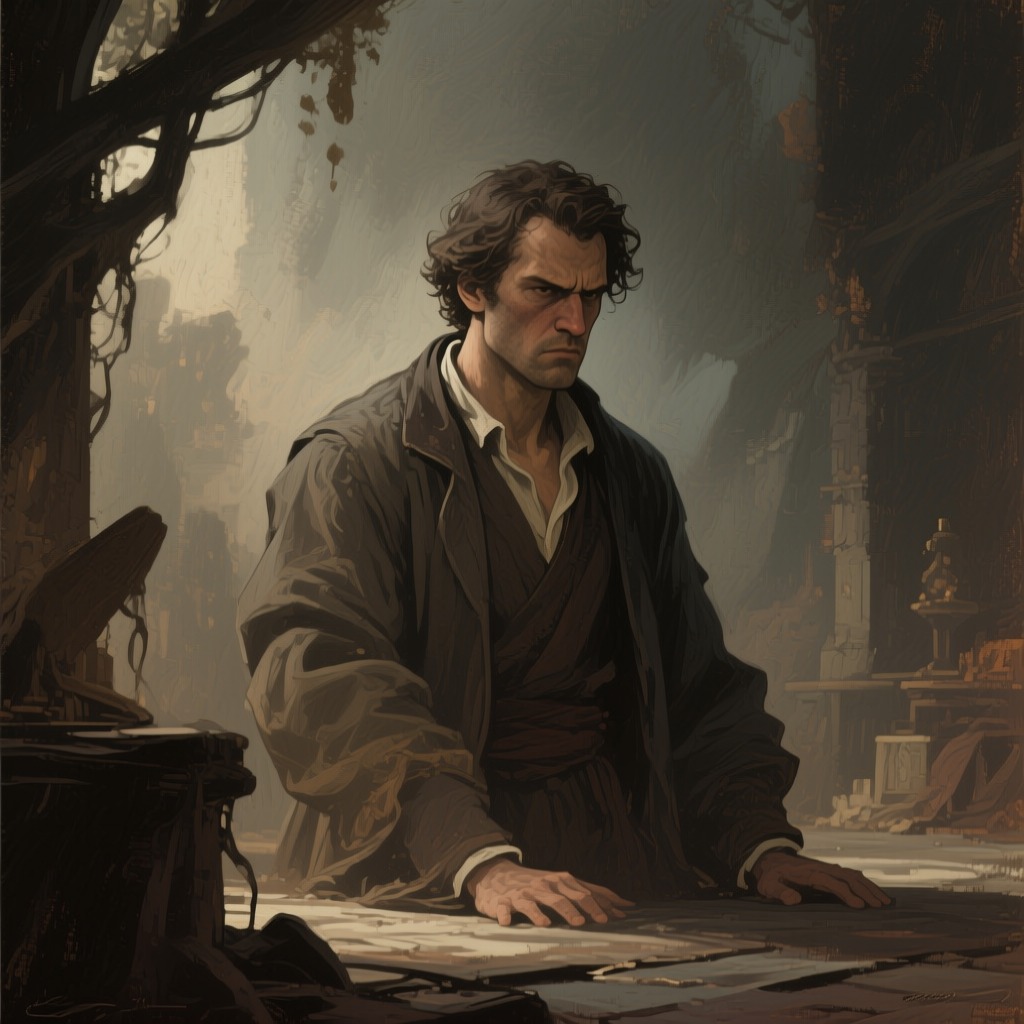
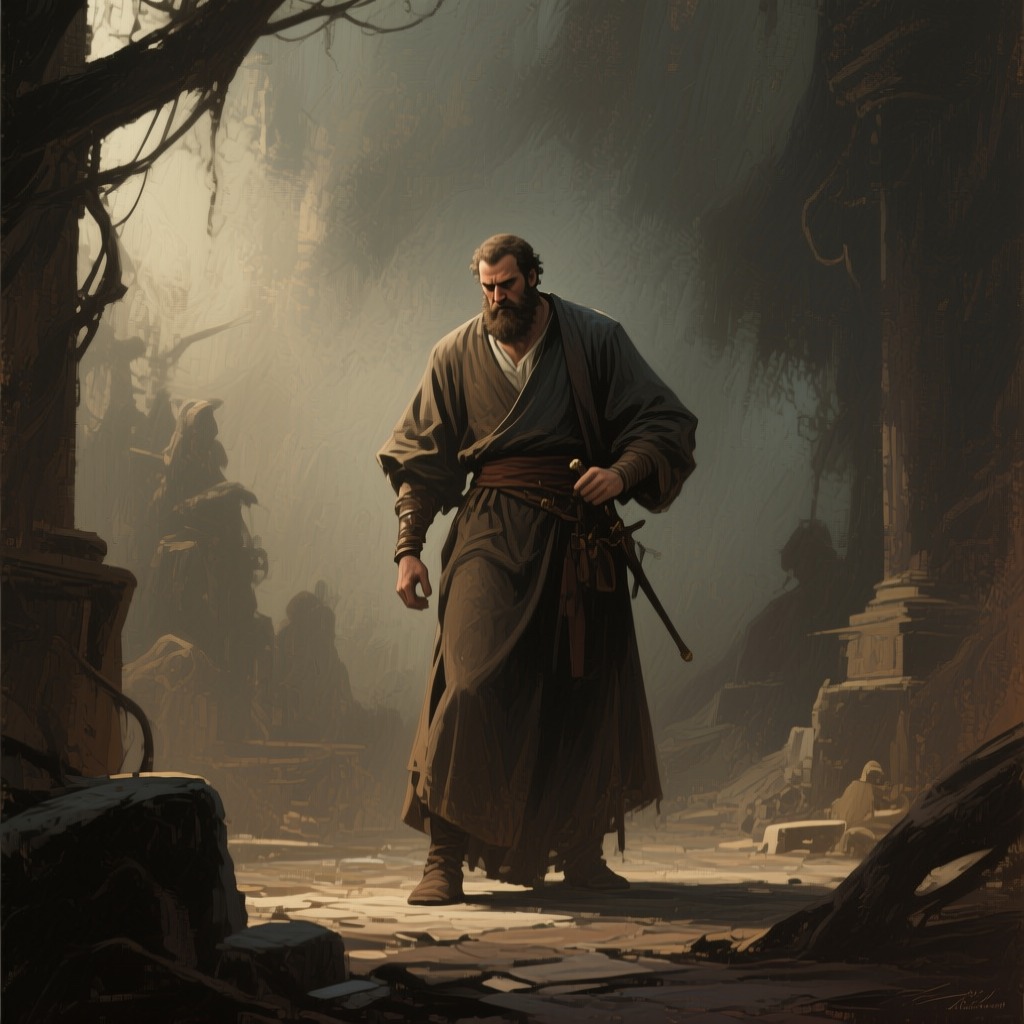
Arlen Bitterbuck, a Cherokee council elder from the Washita Reservation, was the first prisoner executed on the Green Mile after John Coffey arrived at Cold Mountain Penitentiary in the fall of 1932. Known to the guards as "The Chief" (a nickname Harry Terwilliger sometimes twisted into "Chief Coat Cheese" because of what he claimed Bitterbuck smelled like), he had killed a man while both were drunk, crushing the victim's head with a cement block over a pair of boots. His execution on July 17, 1932, became a benchmark for how a condemned man could walk the Green Mile with composure, and it left a lasting impression on the guards who witnessed it.
Identity and Background
Bitterbuck was not merely a convicted murderer but a man of standing in his community: first elder of his tribe on the Washita Reservation and a member of the Cherokee Council. He was a Christian, not a follower of traditional Cherokee religion, and was "perfectly happy" with the Baptist minister, Brother Schuster, who had come for the previous execution of Tillman Clark. Paul Edgecombe noted that Bitterbuck was stoical on the outside, in the tradition of his tribe, but that his fear of the end grew inside him "like a poison flower." In his final days on E Block, Bitterbuck spoke to Edgecombe about his first wife and how they had built a lodge together in Montana, calling those the happiest days of his life. He described the water there as so pure and so cold that "it felt like your mouth was cut every time you drank." He asked Edgecombe whether a man who sincerely repented of what he had done wrong might get to go back to the time that was happiest for him and live there forever, suggesting that could be what heaven was like.
Life on E Block and Final Days
Bitterbuck shared E Block with Arthur Flanders ("The President") and, later, with Eduard Delacroix and the mouse that would become Mr. Jingles. He was present when the mouse first appeared, watching from his cell as the guards fed it and named it Steamboat Willy. When Brutus Howell asked if he had any "Injun wisdom about micies," Bitterbuck replied that he knew a brave who once claimed to have mouse-skin gloves but didn't believe it. On the day before his execution, he was allowed visiting hours in the Arcade, the long room adjacent to the cafeteria divided by mesh and barbed wire, where he said goodbye to his second wife and those of his children who would still treat with him. He was escorted there by Bill Dodge and two other floaters while the rest of the guards rehearsed the execution procedure.
The Execution
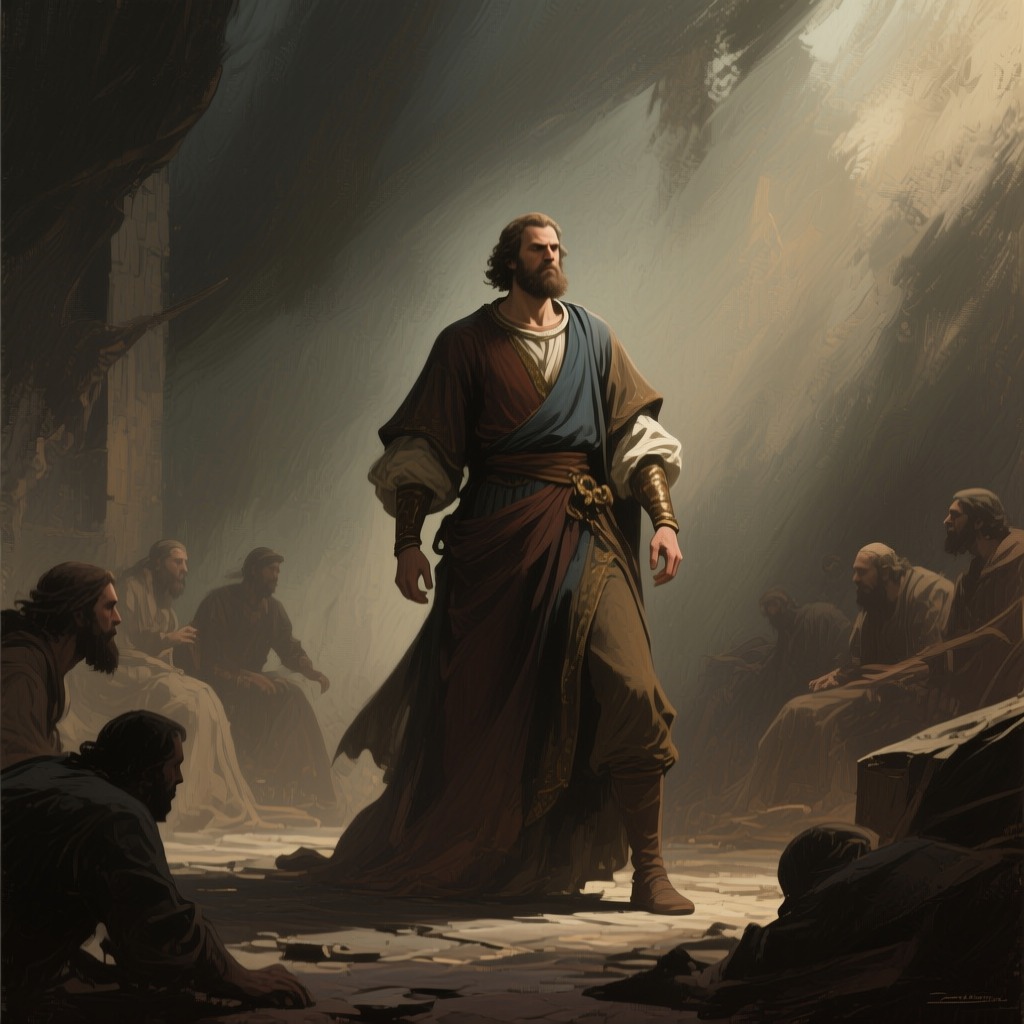
On the night of July 17, 1932, Bitterbuck left his cell with no protest or holding back. He walked strongly up the Green Mile to Edgecombe's office, where he dropped to his knees to pray with Brother Schuster. When Schuster recited the psalm about lying down beside the still waters, Bitterbuck began to cry. Edgecombe believed he was thinking about the still water in Montana that felt like it was cutting his mouth. Bitterbuck got up from his knees without help, though he swayed a little at first. As he approached the witnesses, he faltered, and a low moaning started in his throat. Edgecombe tightened his grip on Bitterbuck's elbow and told him, "The only thing most of these people will remember about you is how you go out, so give them something good—show them how a Washita does it." Bitterbuck glanced at Edgecombe, gave a little nod, then took one of the braids his daughter had made and kissed it. He mounted the platform without help. The execution itself was quick: less than a minute from the time Bitterbuck sat down in the chair to the moment Brutal called "Roll on two!" Bitterbuck surged forward against the clamps and the restraining belt, his blue shirt pulling tight at the buttons. The doctor listened after the first jolt, heard a few random heartbeats, and ordered a second jolt. After the third jolt, the doctor nodded. It was over. Bitterbuck's left braid was smouldering, and Edgecombe slapped at his head until the smoke stopped rising. The body was carried down the twelve wooden steps to the tunnel, where a gurney waited. Percy Wetmore slapped the dead man's cheek and said, "Adios, Chief. Hope hell's hot enough for you," prompting Brutal to tell him that Bitterbuck had paid what he owed and was square with the house again.
Narrative Role and Significance
Bitterbuck's execution served as a contrast to the botched execution of Eduard Delacroix that would follow months later. Where Delacroix's death was a horror of smoke, fire, and prolonged agony, Bitterbuck's was orderly and, by the standards of the time, humane. The rehearsal for Bitterbuck's execution also introduced the reader to the execution procedure and to Old Toot-Toot, the trusty who served as the traditional stand-in for the condemned. Bitterbuck's presence on E Block also established the pattern of the guards' work: Edgecombe's practice of talking to the condemned men in the evening hours, the importance of "getting the talk started," and the way the guards helped men face their deaths with their sanity intact. His question about whether a repentant man might return to his happiest time in the afterlife revealed a spiritual dimension that would resonate with John Coffey's own fate. Bitterbuck was, in Edgecombe's assessment, a man who "conducted himself with great dignity" and by doing so "practically guaranteed that her father would do the same."